
In an increasingly globalized world where industries often operate in remote locations, the need for efficient and effective labor accommodations has never been more pressing. Companies in sectors such as construction, oil and gas, mining, and emergency response face unique challenges when it comes to housing their workforce. Lida Group, a leader in prefabricated building solutions, has emerged as a critical player in addressing these challenges through tailored solutions for labor camps. This article explores Lida Group’s approach to prefabricated buildings, the benefits they provide, and their impact on the efficiency and well-being of labor forces.
Understanding Prefabricated Buildings
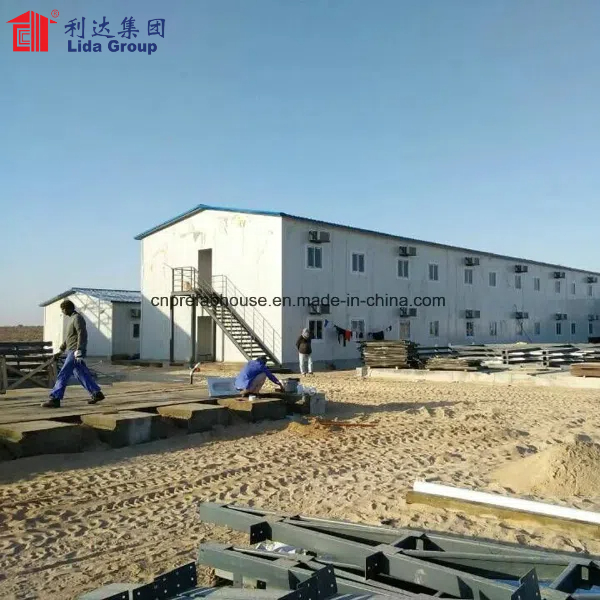
What Are Prefabricated Buildings?
Prefabricated buildings, often referred to as modular or off-site constructions, are structures that are manufactured in a factory setting and then transported to the construction site for assembly. This method contrasts with traditional construction, where buildings are constructed on-site from raw materials. Prefabricated buildings can range from simple modular units to complex multi-story structures, offering a flexible solution for various applications, including labor camps.
The Importance of Labor Camps
Labor camps serve as temporary or semi-permanent accommodations for workers engaged in projects away from their home regions. These camps are essential for industries that require a mobile workforce, enabling companies to deploy personnel quickly and efficiently. The design and quality of labor camps can directly impact worker satisfaction, productivity, and overall operational efficiency.
Lida Group’s Approach to Prefabricated Buildings
Lida Group specializes in providing prefabricated building solutions that cater specifically to the needs of labor camps. Their approach is characterized by several key principles:
1. Customization
Lida Group understands that each project is unique. Their prefabricated buildings can be tailored to meet the specific requirements of different industries and environments:
- Flexible Designs: Lida Group offers a range of design options that can be customized based on the number of workers, the duration of the project, and specific client needs. This flexibility ensures that the buildings are functional and efficient.
- Adaptable Configurations: The modular nature of Lida Group’s buildings allows for easy expansion or reconfiguration as project demands change. This adaptability is crucial in dynamic work environments where labor requirements can fluctuate.
2. Speed of Construction
One of the most significant advantages of prefabricated buildings is the speed at which they can be assembled:
- Reduced Construction Time: By manufacturing components in a controlled environment, Lida Group can significantly reduce the time required for on-site construction. This rapid deployment allows companies to get their workforce operational quickly.
- Concurrent Activities: While the prefabricated units are being produced, site preparation can take place simultaneously, optimizing the overall timeline for project commencement.
3. Quality and Durability
Lida Group places a strong emphasis on quality and durability in their prefabricated buildings:
- High-Quality Materials: The use of premium materials ensures that the buildings can withstand harsh weather conditions and the rigors of industrial applications. This durability translates to lower maintenance costs over time.
- Stringent Quality Control: Each component is subjected to rigorous quality checks during the manufacturing process, ensuring that the final product meets high standards of safety and performance.
4. Sustainability
Lida Group is committed to sustainable building practices, recognizing the importance of minimizing environmental impact:
- Eco-Friendly Materials: The use of sustainable materials and construction techniques helps reduce the carbon footprint of their buildings.
- Energy Efficiency: Many of Lida Group’s prefabricated buildings are designed to incorporate energy-efficient systems, such as insulation and renewable energy sources, reducing operational costs and environmental impact.
Benefits of Lida Group’s Prefabricated Buildings for Labor Camps
Lida Group’s prefabricated buildings offer numerous advantages for labor camps, enhancing worker welfare and operational efficiency:
1. Enhanced Worker Comfort
The design of Lida Group’s buildings prioritizes worker comfort, which is essential for maintaining morale and productivity:
- Functional Living Spaces: The buildings are designed to provide comfortable sleeping quarters, communal dining areas, and recreational spaces, allowing workers to relax and recharge after long hours.
- Privacy and Space: Options for private and shared accommodations cater to different worker preferences, ensuring that individuals can find a comfortable living arrangement.
2. Improved Safety
Safety is a paramount concern in labor camps, and Lida Group’s buildings are designed with this in mind:
- Fire Safety Features: Prefabricated buildings are equipped with necessary fire safety measures, including alarms, extinguishers, and safe evacuation routes, to protect the occupants.
- Health and Hygiene: Adequate sanitation facilities and proper ventilation are integral to maintaining a healthy living environment, reducing the risk of illness among workers.
3. Cost-Effectiveness
Investing in Lida Group’s prefabricated buildings can yield significant cost savings for employers:
- Lower Construction Costs: The efficiency of the prefabrication process often leads to lower labor and material costs compared to traditional construction methods.
- Reduced Long-Term Expenses: The durability and energy efficiency of the buildings contribute to lower maintenance and operational costs over time.
4. Scalability and Flexibility
Lida Group’s modular approach allows for easy scalability:
- Quick Expansion: If a project requires more accommodations, additional modules can be added without significant delays or disruptions.
- Tailored Solutions for Varying Needs: As projects evolve, the ability to modify or reconfigure buildings ensures that labor camps can adapt to changing circumstances.
Case Studies: Successful Implementation of Lida Group’s Prefabricated Buildings
Case Study 1: Mining Project in a Remote Area
Challenge: A mining company needed to establish a labor camp for 250 workers in a remote location with limited infrastructure.
Solution: Lida Group provided a prefabricated labor camp that included sleeping quarters, dining facilities, and recreational areas. The design focused on maximizing comfort and functionality while ensuring durability against harsh environmental conditions.
Outcome: The labor camp was assembled in just six weeks, allowing the mining operation to commence on schedule. Workers reported high satisfaction levels due to the quality of the accommodations, leading to improved morale and productivity.
Case Study 2: Construction Project for a Large Infrastructure Development
Challenge: A construction firm required a temporary housing solution for over 300 workers engaged in a large infrastructure project.
Solution: Lida Group delivered a customized prefabricated labor camp that included modular sleeping units, a communal dining area, and facilities for recreation. The design was tailored to meet the specific needs of the workforce.
Outcome: The rapid deployment of the prefabricated buildings allowed the construction company to mobilize its workforce quickly. The comfortable living conditions contributed to reduced turnover rates and enhanced worker performance.
Case Study 3: Emergency Response Housing for Disaster Relief
Challenge: Following a natural disaster, a humanitarian organization needed immediate housing for emergency responders.
Solution: Lida Group provided a mobile labor camp with prefabricated units designed for quick assembly. The camp included sleeping accommodations, dining facilities, and essential sanitation services.
Outcome: The swift deployment of the labor camp enabled emergency responders to focus on recovery efforts without the distraction of inadequate housing. The effectiveness of the accommodations led to positive feedback from workers and improved operational efficiency.
Addressing Challenges in Prefabricated Building Implementation
1. Regulatory Compliance
Navigating local building codes and regulations can be complex. Lida Group engages with local authorities early in the planning process to ensure compliance and address potential regulatory hurdles.
2. Logistics and Transportation
Transporting prefabricated units to remote locations can present logistical challenges. Effective planning and coordination are crucial to ensure timely delivery and assembly.
3. Cultural Sensitivity
Designing labor camps that respect local cultures and traditions is vital for acceptance. Collaborating with local architects and designers can help ensure that the final product resonates with the community.
4. Health and Safety Concerns
Implementing health and safety measures is essential for maintaining worker well-being. Regular inspections and maintenance of facilities help address potential risks and ensure a safe living environment.
The Future of Prefabricated Buildings in Labor Camps
Technological Innovations
The future of prefabricated buildings will be influenced by ongoing technological advancements:
- Smart Technologies: The integration of smart technologies, such as IoT devices, can enhance the efficiency and comfort of labor camps, allowing for better energy management and security features.
- Building Information Modeling (BIM): The use of BIM can improve design accuracy and collaboration, streamlining the construction process and enhancing project management.
Global Market Potential
The demand for prefabricated buildings is expected to grow as industries expand into remote areas:
- Emerging Markets: Developing countries will increasingly turn to modern labor solutions to address housing needs, particularly in remote regions.
- Crisis Response: Prefabricated buildings will continue to play a crucial role in providing temporary accommodations in disaster-stricken areas, offering quick and effective solutions.
Customization and Adaptability
The ability to customize designs will ensure that prefabricated buildings meet the unique needs of various industries:
- Flexible Configurations: Modular designs allow for easy modifications and expansions as workforce needs change.
- Cultural Sensitivity: Designs can be tailored to reflect local architectural styles and cultural preferences, enhancing their appeal in diverse markets.
Enhancing Worker Welfare Through Prefabricated Buildings
1. Improved Living Conditions
Creating comfortable labor camps significantly enhances the quality of life for workers:
- Comfortable Accommodations: Providing private sleeping quarters, modern kitchens, and clean bathrooms creates a comfortable living environment.
- Community Spaces: Incorporating communal areas encourages social interaction and fosters a sense of community among workers.
2. Health and Safety
Health and safety are paramount in the design of labor camps:
- Sanitation Facilities: Adequate restroom and sanitation facilities help prevent health issues and ensure the well-being of workers.
- Ventilation and Air Quality: Proper ventilation systems contribute to good air quality, reducing the risk of respiratory problems.
3. Economic Benefits
Investing in high-quality prefabricated buildings can yield significant economic benefits for companies:
- Increased Productivity: Comfortable living conditions lead to happier workers, resulting in higher productivity levels and lower turnover rates.
- Cost Savings: While the initial investment may be higher, the long-term savings from reduced turnover and increased efficiency can outweigh the costs.
Conclusion
Lida Group’s prefabricated buildings represent a modern and effective solution for labor camps, addressing the unique needs of industries that operate in remote areas. By prioritizing customization, speed, quality, and sustainability, Lida Group has developed tailored solutions that enhance worker welfare and operational efficiency.
As industries continue to expand into challenging environments, the demand for innovative housing solutions will only grow. Prefabricated buildings stand as a testament to the importance of investing in quality accommodations for workers, ultimately leading to a more satisfied and productive labor force.
In a world where worker welfare is increasingly recognized as a critical component of operational success, the adoption of Lida Group’s prefabricated buildings is essential. By fostering environments that promote comfort, safety, and community, companies can build a more engaged and motivated workforce, ultimately contributing to better project outcomes and enhanced business performance.
Contact Us
Post time: Mar-10-2025